
The importance of ISO certificates to your business
2024-06-06
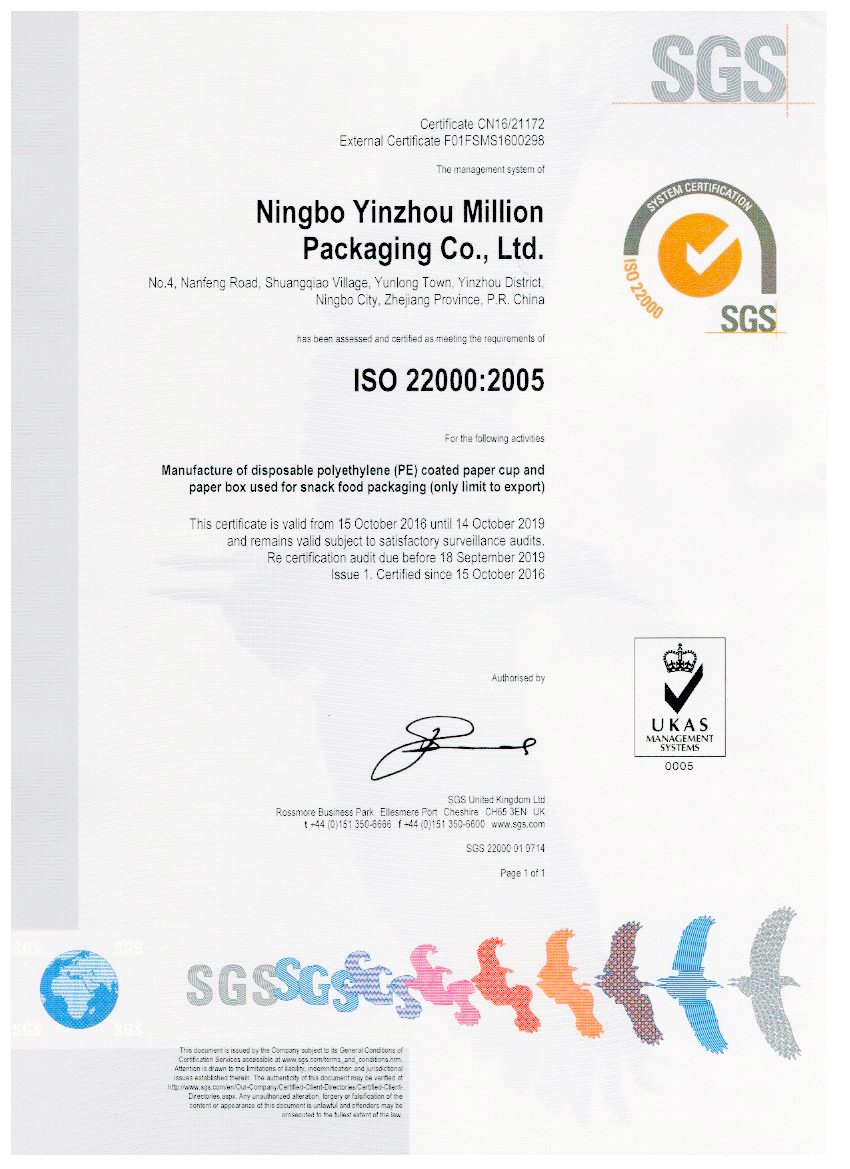
In the current business environment, ISO certification has become an important means for companies to demonstrate their quality management capabilities. ISO standards, developed by the International Organization for Standardization, are designed to ensure that the quality of products and services can reach a uniform level of recognition worldwide. ISO certification not only means that companies can meet specific international standards in terms of quality, environment and safety, but also win more trust and opportunities for themselves in the fierce market competition. This certification not only helps enterprises to establish a good market image, but also promotes the optimization of internal management, improve work efficiency and customer satisfaction. Therefore, ISO certificates play a vital role in the development of today's businesses.
In today's competitive business environment, the competition between enterprises is not only limited to the quality of products and services, but also lies in the credibility of the brand and the recognition of the market. As an internationally recognized quality management system certification, ISO certificate can effectively help enterprises build market trust. First of all, the ISO certificate means that the product or service of the enterprise has passed the strict international standard audit, which undoubtedly provides a trust guarantee for consumers, so that they are more inclined to choose those enterprises with ISO certificates when choosing products or services. Secondly, with the improvement of a company's brand image, its popularity will also increase, which will not only help attract new customers, but also enhance the loyalty of existing customers. Because customers tend to think that a company that is willing to invest resources to obtain an ISO certificate is a trustworthy company that focuses on quality. Therefore, it can be said that ISO certificate is not only a guarantee of quality, but also an important means for enterprises to enhance competitiveness and win market recognition

ISO 9001 is an internationally recognized quality management system standard that helps companies establish, implement, maintain and improve their quality management systems through a detailed set of requirements. The core of this standard is to ensure that the products and services of enterprises can meet the needs of customers and the requirements of relevant laws and regulations. By complying with ISO 9001, companies can systematically identify and manage all aspects of the process, thereby effectively controlling and improving the quality of their products and services. This not only helps to improve customer satisfaction, but also enhances the competitiveness of enterprises in the market. In short, ISO 9001 provides a clear framework for organizations to continuously improve and optimize their quality management processes, ensuring both quality and efficiency.
ISO 14001 is an internationally recognized environmental management standard that provides a framework for companies to integrate environmental responsibility into their operations. The implementation of this standard not only helps enterprises improve the efficiency of resource utilization and reduce the negative impact on the environment, but also promotes the fulfillment of corporate social responsibility and sustainable development practice. By setting specific environmental goals and strategies, companies are able to better manage and improve their environmental performance, while also enhancing the trust and support of consumers and other stakeholders. The implementation of ISO 14001, so that enterprises in the pursuit of economic benefits at the same time, but also assume the important responsibility of environmental protection, reflects the social responsibility of modern enterprises.
In contemporary business management, the ISO 45001 occupational health and safety management system is playing an increasingly important role. This international standard focuses on improving the working conditions and safety of employees, ensuring a healthy and safe working environment through a series of systematic management measures. The implementation of ISO 45001 not only helps to reduce the incidence of work-related accidents, but also effectively increases employee satisfaction and loyalty. As an important asset of the enterprise, the health and safety of employees is directly related to the productivity and efficiency of the enterprise. In addition, by reducing accidents and improving employee satisfaction, companies are better able to control and manage risk, thereby maintaining an edge in a competitive market environment. Therefore, adopting ISO 45001 is not only a responsible performance for employees, but also an important part of a company's risk management and sustainability strategy.
ISO 14001 is an internationally recognized environmental management standard that provides a framework for companies to integrate environmental responsibility into their operations. The implementation of this standard not only helps enterprises improve the efficiency of resource utilization and reduce the negative impact on the environment, but also promotes the fulfillment of corporate social responsibility and sustainable development practice. By setting specific environmental goals and strategies, companies are able to better manage and improve their environmental performance, while also enhancing the trust and support of consumers and other stakeholders. The implementation of ISO 14001, so that enterprises in the pursuit of economic benefits at the same time, but also assume the important responsibility of environmental protection, reflects the social responsibility of modern enterprises.
In contemporary business management, the ISO 45001 occupational health and safety management system is playing an increasingly important role. This international standard focuses on improving the working conditions and safety of employees, ensuring a healthy and safe working environment through a series of systematic management measures. The implementation of ISO 45001 not only helps to reduce the incidence of work-related accidents, but also effectively increases employee satisfaction and loyalty. As an important asset of the enterprise, the health and safety of employees is directly related to the productivity and efficiency of the enterprise. In addition, by reducing accidents and improving employee satisfaction, companies are better able to control and manage risk, thereby maintaining an edge in a competitive market environment. Therefore, adopting ISO 45001 is not only a responsible performance for employees, but also an important part of a company's risk management and sustainability strategy.
MillionPack has always been based on product quality, in 2012, the factory has been fully ISO certification and testing
We need to understand the types and scope of application of ISO certificates. At present, ISO has published a number of quality management related standards, such as ISO 9001 (quality management system), ISO 14001 (environmental management system) and ISO 45001 (Occupational health and safety management system). These standards cover all aspects from product design, production, installation to service provision and so on, providing enterprises with a full range of quality management guidance.
How to effectively obtain an ISO certificate? Enterprises need to carry out a comprehensive self-assessment, find out their own problems and shortcomings in quality management, and then formulate corresponding improvement plans. In this process, enterprises can hire professional consulting agencies for guidance to ensure the smooth progress of the entire certification process. In addition, enterprises also need to train employees to improve their quality management awareness and skills.
After obtaining ISO certificate, how can enterprises effectively use it to improve their quality management level? First of all, enterprises should integrate the requirements of ISO standards into daily production and business activities to ensure that the quality of products and services is always maintained at a high level. Secondly, enterprises should regularly conduct internal audits and management reviews of the quality management system in order to find problems and make improvements in time. Finally, enterprises should also actively participate in various quality management exchange activities, share experience with other enterprises, and jointly improve the quality management level.
How to effectively obtain an ISO certificate? Enterprises need to carry out a comprehensive self-assessment, find out their own problems and shortcomings in quality management, and then formulate corresponding improvement plans. In this process, enterprises can hire professional consulting agencies for guidance to ensure the smooth progress of the entire certification process. In addition, enterprises also need to train employees to improve their quality management awareness and skills.
After obtaining ISO certificate, how can enterprises effectively use it to improve their quality management level? First of all, enterprises should integrate the requirements of ISO standards into daily production and business activities to ensure that the quality of products and services is always maintained at a high level. Secondly, enterprises should regularly conduct internal audits and management reviews of the quality management system in order to find problems and make improvements in time. Finally, enterprises should also actively participate in various quality management exchange activities, share experience with other enterprises, and jointly improve the quality management level.
In the current digital age, information security has become an important part of enterprises that can not be ignored. ISO 27001, as an internationally recognized information security management system standard, plays a vital role in protecting the information assets of enterprises. The standard not only helps enterprises to establish a set of scientific and systematic information security management framework, but also provides enterprises with effective methods to identify, evaluate and manage information security risks. By implementing ISO 27001, companies can ensure that their information assets are protected from unauthorized access, disclosure, modification or destruction, thereby safeguarding business continuity and customer trust. In addition, the implementation of ISO 27001 helps companies comply with various legal and regulatory requirements, avoiding potential legal liabilities and financial losses. Therefore, ISO 27001 is not only the key to improving the security of enterprise data, but also an important guarantee for the sustainable development of enterprises.
In today's competitive market environment, businesses are increasingly aware of the importance of high quality customer service to maintain and expand market share. ISO certification, as a globally recognized quality management and quality assurance standard, provides a complete service process improvement framework for enterprises. By implementing ISO standards, companies can systematically identify gaps in their service processes and take steps to optimize them, ensuring that every step of the way works efficiently and smoothly. In addition, ISO certification also emphasizes the importance of continuous improvement, encouraging companies to constantly seek innovative ways to improve the quality of service. This relentless pursuit of quality not only improves the reliability and consistency of service, but also greatly enhances customer trust and satisfaction. Therefore, ISO certification is not only a proof of enterprise service commitment, but also an important driving force to promote enterprises to move forward and achieve win-win results with customers.
In today's global business environment, ISO certification has become an important way for companies to demonstrate their quality management and operational efficiency. By obtaining the ISO 9001 quality management system certification, Huawei, an electronics manufacturing company, has not only optimized its internal management process and improved product quality, but also successfully expanded its business scope in the global market. This process involves a careful review and improvement of existing work processes to ensure that all operations are in line with international standards. As a result, Huawei not only gained a higher credibility in the domestic market, but also was able to compete more easily with other top players internationally. In addition, through this certification, Huawei also improves customers' trust in its products and services, further promoting the long-term development of the enterprise.
Eco-friendly paper pizza box: The perfect combination of food and nature
7 Sizes of Salad Packaging Boxes With Clear Window
Related Article



On January 15, 2024, the annual ceremony of MillionPackag was held. With the theme of "Innovation-Driven, Win-win Future", all employees, partners and special guests gathered together to review the brilliant achievements of the past year and look forward to the future development direction.
2024 MillionPack company annual meeting
