
PLA tableware: Hidden Costs under the halo of environmental protection
2025-05-30
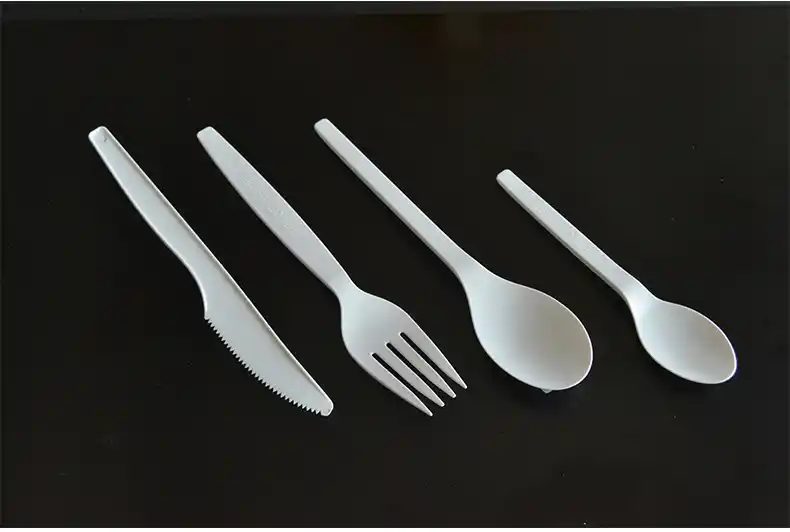
In the boutique supermarket, exquisite PLA knives and forks lie quietly in the "degradable" packaging box. On the food delivery platform, there is a small green checkmark next to the "eco-friendly tableware" option. During the shopping festival, dinner plates printed with the corn logo caught the eye along with the slogan "100% Earth-friendly"... We are surrounded by a gentle green promise: polylactic acid (PLA) tableware, a material that claims to originate from nature and return to the soil, is the golden key to solving plastic pollution.
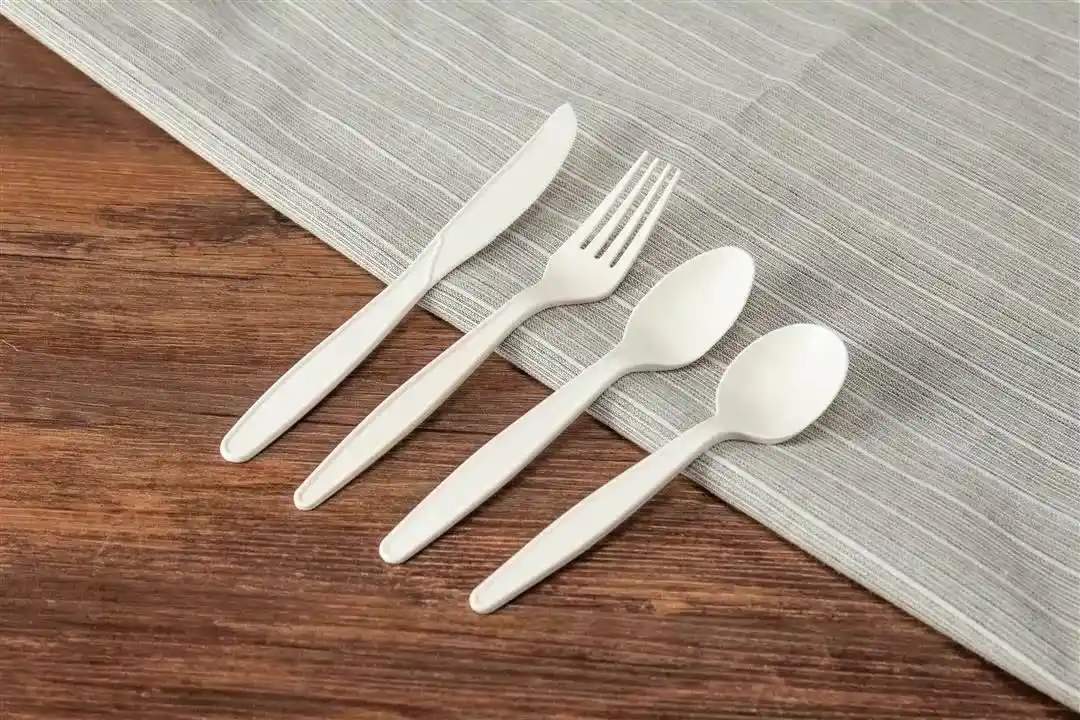
The Splendid Transformation of corn kernels: Where Does the environmental protection halo of PLA Come from?
PLA does have a proud starting point. It does not come from increasingly depleted oil deposits, but is derived from starch extracted from plants such as corn, cassava and sugarcane, and transformed through a series of processes including fermentation and polymerization. This "plant-based" property enables PLA to significantly reduce its reliance on fossil energy during the raw material acquisition stage, and its carbon footprint is notably lower than that of traditional plastics. Since its cradle stage, PLA has been dressed in a natural and environmentally friendly coat.
However, when PLA tableware ended its brief mission and was discarded, its "environmentally friendly" aura began to undergo a severe test.
Degradation Myth: Industrial composting sites Are the "way home"
Manufacturers often claim that PLA tableware "decomposes like fallen leaves" in the natural environment. But the truth is far from being so poetic. The degradation of PLA requires extremely demanding conditions: continuous high temperatures of 50-70°C in professional industrial composting facilities, the active action of specific microorganisms, and an environment with just the right humidity - these conditions are almost impossible to meet in home backyard composting, ordinary soil landfills or Marine environments. The reality is that PLA spoons that are casually discarded do not decompose much faster than traditional plastics in the natural environment and may exist in an almost intact state for several years or even longer.
What is even more worrying is that a large number of PLA tableware have been mixed into the traditional plastic recycling stream and have instead become "pollutants". They cannot be melted at the conventional recycling temperatures of PET or PP, resulting in a decline in the performance of the entire batch of recycled materials or even their scrapping, which slows down the efficiency of valuable plastic recycling. Even when entering an industrial composting system, a high proportion of PLA may change the carbon-nitrogen balance of the compost and affect the quality of the compost. Many municipal composting facilities even explicitly refuse to accept PLA products, making their "biodegradable" property just empty talk.
The "unbearable lightness" of the mixed materials
To improve the deficiencies of PLA in terms of heat resistance and strength, PLA tableware is often mixed with traditional plastics such as PP (polypropylene) or other additives. These "composite materials" almost sentence the "recycling death penalty" of the products - the complex composition makes economically feasible separation and recycling a technical challenge. A piece of tableware marked "PLA" has its environmental commitment quietly diluted at the moment of material mixing, and its ultimate destination is still a landfill or incinerator.
Farmland and Food: The Ecological Account Behind PLA Raw Materials
Under the "plant-based" aura of PLA lies another ecological pressure that is often overlooked. Large-scale production of PLA requires the consumption of huge amounts of crops such as corn. Against the backdrop of hundreds of millions of people around the world still facing food shortages, the ethical and ecological rationality of using large tracts of fertile land and water resources as raw materials for the production of disposable tableware has been questioned. In pursuit of higher yields, intensive planting may lead to soil degradation, loss of biodiversity and intensified pollution caused by chemical fertilizers and pesticides. The seemingly "green" PLA has an ecological footprint in the raw material cultivation process that cannot be ignored - for every 10% increase in global PLA production capacity, an additional amount of farmland equivalent to the land area of Belgium needs to be occupied.
The Road to environmental protection: Beyond one-off, Embrace true Sustainability
In the face of the complex truth about PLA tableware, we are not without a way out.
A truly sustainable solution requires us to go beyond the mindset of "one-off" :
Reducing at the source is the key: The most environmentally friendly tableware is always the one that doesn't need to be produced. Developing the habit of bringing your own reusable tableware (made of stainless steel, glass, or durable silicone) is the most direct and effective way to reduce resource consumption.
Recognize the "degradable" label: Before purchasing PLA products, be sure to find out whether there are local facilities for receiving and processing industrial composting waste. If not, the "degradable" advantage of PLA cannot be realized.
Support technological innovation and policy guidance: Encourage the research and development of new materials that are more prone to degradation under natural conditions (such as PHA), or improve the performance of PLA to make it truly suitable for home composting. It is called on policymakers to improve standards, standardize the "degradable" label and establish a supporting recycling and treatment system.
Promote a circular economy: Explore innovative business models such as tableware rental and deposit refund to reduce waste from the root.
The truth about PLA tableware is not simply a dichotomy of "environmentally friendly" or "non-environmentally friendly". Its origin from plants is commendable, and its efforts to replace petroleum-based plastics demonstrate the goodwill of technology. However, its harsh degradation conditions, potential interference with the recycling system, complex mixed material issues, as well as the land and ecological pressure brought about by raw material cultivation, all constitute an unbearable burden for the label of "100% environmentally friendly".
Every spoon in our hands is a choice for the future. PLA is not a panacea; it is merely a transitional footnote in the long journey of environmental protection. True sustainability requires us to get rid of our reliance on disposable conveniences, no matter what materials they are made of. The truth of environmental protection does not lie in the green symbols on the packaging, but in whether we can identify the fragile path of resource recycling in every gap between use and disposal.
As the plastic waves continue to erode the ecological coast and the alarm bells of resource depletion grow louder, only by transcending the inertia of "disposable" and embracing the simple wisdom of reuse once again can we find the solid bridge leading to the truly green shore - that bridge might start with the pair of steel chopsticks you carry with you in your backpack.
Jakarta Exhibition, Indonesia 。2025
2024 MillionPack company annual meeting
Related Article


On January 15, 2024, the annual ceremony of MillionPackag was held. With the theme of "Innovation-Driven, Win-win Future", all employees, partners and special guests gathered together to review the brilliant achievements of the past year and look forward to the future development direction.
2024 MillionPack company annual meeting

Can plastic pollution be solved from the plastic production end?
Can plastic pollution be solved from the plastic production end?
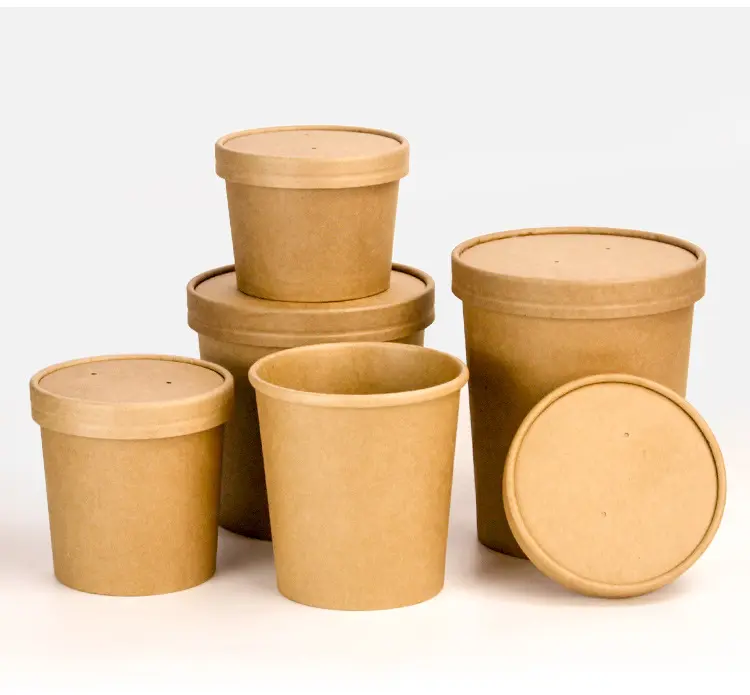
Introduction: The contemporary importance of environmental protection, environmental protection paper disposable soup bucket product introduction. Use guide and precautions Product advantages selling points. The application scenario of the product. Usage guide and precautions
Paper disposable soup bucket, the future choice for reducing pressure on the planet!