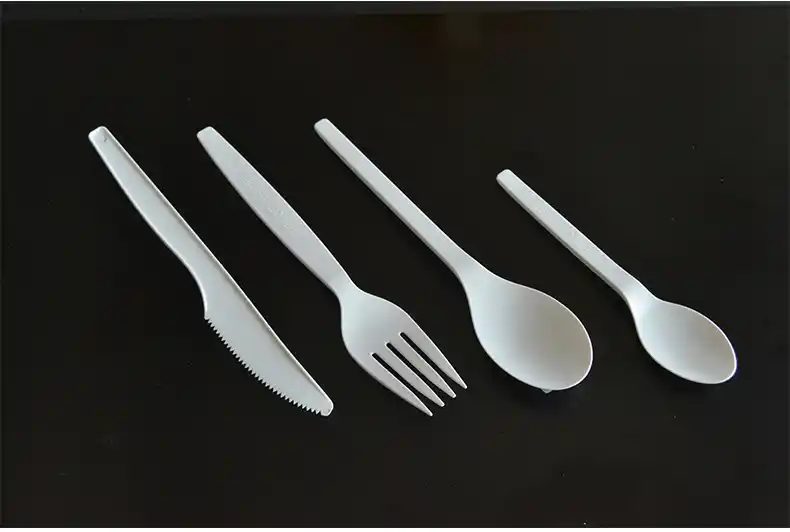
Degradable lunch box is really environmentally friendly
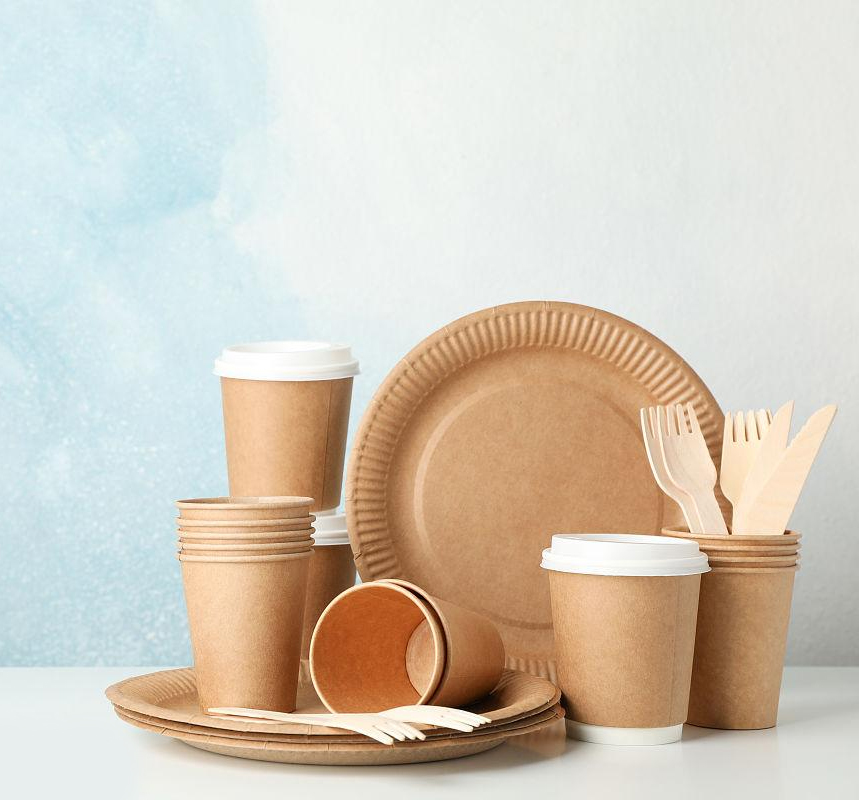
Plastic products, as one of the greatest inventions of the 20th century, not only provide us with great convenience, but also cause great damage to our ecological environment because of its non-degradability, because plastic is "not environmentally friendly", it has now been abandoned or banned in many fields, Europe and the United States and other countries have also introduced plastic restrictions, and instead of products, It's "biodegradable plastic." Such as PLA series products, as well as paper products, or corn starch and bagasse types of products.
But is "degradable plastic" necessarily more environmentally friendly? How exactly does it degrade? How do you determine whether a material is environmentally friendly? We discuss this problem from multiple perspectives. Classification of degradable materials and departure of degradation conditions.
However, public opinion is divided as to whether the biodegradable lunch box really achieves the expected environmental effect. This article will explore this topic in depth, evaluating the environmental performance of biodegradable lunch boxes and comparing them to traditional plastic lunch boxes. The article will also analyze how market acceptance and consumer behavior affect the popularity of biodegradable meal boxes. By examining these dimensions, we hope to better understand the balance between environmental protection and convenience in biodegradable lunch boxes.
Degradable lunch box is a tableware that can be naturally decomposed under certain conditions, and is degraded into environmentally harmless substances, which is a general term for a large class of degradable materials. Degradable plastics first appeared in the 1960s, and in the middle, they have experienced the development stage of mixing with traditional plastics, the stage of degradation through photothermal conditions, and the stage of degradation through microbial enzymatic reactions. Biodegradable plastics are mixed with conventional plastics (e.g. Polyethylene, polypropylene). It can only make traditional plastics more easily disintegrate into small fragments, resulting in more microplastics polluting the environment, and therefore cannot be considered degradable. The degradation of photothermal degradable plastics is poor and is constrained by natural conditions such as temperature and light. Plastic film sold in the soil, for example, will have little effect due to the lack of light, or even will not decompose at all. Therefore. Only degradable plastics under biological conditions are truly degradable plastics, and only have the value of preventing and controlling plastic pollution.
The production of degradable lunch boxes mainly uses bio-based materials, such as polylactic acid (PLA) and paper pulp. After waste, these materials can be broken down into water and carbon dioxide under the action of microorganisms, thus reducing the pressure on the environment. Biodegradable food containers commonly available on the market usually need to meet certain environmental standards or obtain corresponding certification, such as the ISO 14855-1 biodegradation performance standard, to ensure that they are environmentally friendly during processing, while maintaining product quality and safety. Such products not only help reduce plastic waste, but also conform to the concept of sustainable development, which is an important development direction for the future catering packaging industry.
Are biodegradable lunch boxes really green?
1. Safety of biodegradable materials
The main materials of degradable lunch boxes include starch, polylactic acid (PLA) and other biodegradable materials. Although these materials are naturally sourced, some chemicals may be added during the production process. If these substances are harmful to the human body, then the environmental properties of the degradable lunch box will be greatly reduced. At present, the safety evaluation of biodegradable materials in China is relatively strict, but it is still necessary to pay attention to the impact of their long-term use on the environment and human health.
2. Degradation condition restriction
The degradation process of degradable lunch boxes requires specific conditions such as temperature and humidity. In practical applications, these conditions are often difficult to meet. For example, home composting conditions are limited, which may cause the meal box to not fully degrade.
3. Production cost and processing cost
The production cost of degradable lunch boxes is higher than that of traditional plastic lunch boxes, which leads to increased cost pressure on catering enterprises. At the same time, the disposal cost of biodegradable waste is also high. If there is no corresponding policy support and consumer acceptance, the promotion of degradable lunch boxes will face difficulties.
How to make biodegradable lunch boxes more environmentally friendly?
1. Raise consumer awareness of environmental protection
Consumers are a key force driving the popularity of biodegradable meal boxes. We should raise consumers' awareness of environmental protection through publicity, education and other means, so that they realize the importance of using degradable lunch boxes.
2. enterprise social responsibility
Catering enterprises should assume social responsibility, actively promote degradable lunch boxes, and reduce the use of traditional plastic lunch boxes. At the same time, through technological innovation, the production cost of degradable lunch boxes is reduced, making them more competitive in the market.
3. improve policies and regulations
The government should increase its support for the research and development and industrialization of biodegradable materials, formulate sound policies and regulations, and encourage enterprises to produce and use degradable lunch boxes. At the same time, the construction of biodegradable waste treatment facilities should be strengthened to improve the processing capacity.
Some problems faced by popularization
In the process of promoting the use of biodegradable meal boxes to reduce plastic waste, we face a number of environmental challenges. First, the production of these biobased meal boxes requires a large amount of natural resources and energy, which to some extent goes against the original intention of environmental protection. For example, making a biodegradable lunch box may require as much or more water and electricity resources than a regular plastic lunch box. Second, although these lunch boxes are designed to decompose quickly under certain conditions, in reality, they often do not disappear as quickly as expected due to the lack of suitable composting facilities and decomposition conditions. This not only reduces their environmental effectiveness, but can also lead to more unbroken waste entering the environment. Therefore, addressing these issues is critical to truly realizing the environmental benefits of biodegradable lunch boxes.
In today's society, environmental protection has become an attitude of life. In the face of a wide range of degradable lunch box products on the market, we often feel confused when choosing. First, identifying truly eco-friendly brands is key. With a 15-year history of producing environmentally friendly tableware, MillionPack is your trusted choice, MillionPack has a variety of complete labels and complete certifications,

Millionpack's environmentally friendly disposable cutlery
Company Profile and Mission
Our company has been committed to providing high quality eco friendly disposable tableware to meet the growing demand for sustainable consumption. Our mission is to actively participate in environmental protection, reduce plastic pollution, support sustainable resource management, and promote a green lifestyle by providing biodegradable and compostable tableware.
Product Lineup and Features
Our product line includes a wide variety of biodegradable and compostable tableware such as plates, knives, forks, spoons, cups and more. These products are known for their outstanding performance and eco-friendly features:
Compostable: Our cutlery is made of biodegradable materials that can decompose naturally after disposal without harming the environment.
High Quality: Our products undergo strict quality control to ensure sturdiness and functionality .
Versatility: We offer a variety of sizes, shapes and colors of tableware to meet the needs of different uses and occasions.
User-friendly: our tableware does not contain harmful substances that can negatively affect the taste or quality of food, and also helps to protect the user's health.
Eco-friendly packaging: Our product packaging uses renewable materials to minimize the impact on the environment.
Highlighting the sustainability and eco-friendliness of our products
Millionpack's disposable tableware is not only environmentally friendly in terms of materials, but we are also committed to reducing our carbon footprint in terms of production and packaging. We adopt sustainable production methods to reduce energy consumption and waste generation. In addition, we encourage our customers to recycle and properly dispose of used tableware to minimize negative impacts on landfills and the environment.
User testimonials and feedback
Many satisfied customers have already used our eco-friendly disposable tableware, and their testimonials and feedbacks prove the quality and reliability of our products. We are proud to be part of their sustainable lifestyle and provide them with green and clean catering solutions.
Proper handling of biodegradable tableware
Disposable environmental tableware, can it really be used for a long time? Reveal the truth behind it!
Related Article