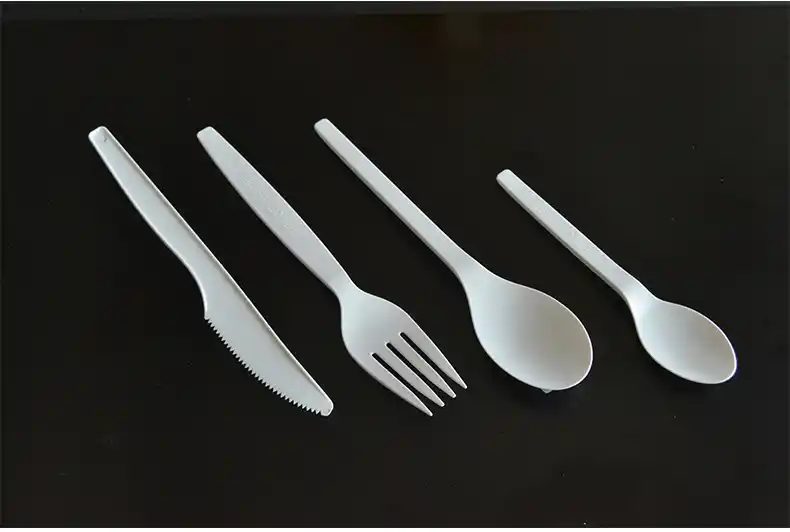
New dining options under the Environmental Revolution: How can biodegradable lunch boxes lead the green future?
With the gradual increase of social awareness of environmental protection, the market demand for degradable products has shown significant growth. In this context, degradable lunch boxes have been widely concerned as an effective means to reduce plastic pollution. This type of lunch box can not only effectively reduce the environmental pressure brought by traditional plastic lunch boxes, but also meet the needs of consumers for healthy and safe eating. According to relevant market research, it is expected that the market acceptance of degradable lunch boxes will further increase in the next few years, with an expected growth rate of more than 20%. This trend reflects that more and more businesses and consumers are turning to environmentally friendly and sustainable products in order to jointly address global environmental challenges.
Environmental benefits of biodegradable lunch boxes
In the context of today's increasingly environmentally conscious society, biodegradable lunch boxes have become an alternative to traditional plastic lunch boxes with their significant environmental advantages. The lunch box made of this new material can be decomposed into water and carbon dioxide through the action of microorganisms in nature after use, and finally return to nature, greatly reducing the pollution to the environment. At the same time, because its production process and use process of carbon footprint is much lower than traditional plastic products, it plays an important role in reducing greenhouse gas emissions and slowing down global warming. In addition, the use of degradable lunch boxes also promotes the development of circular economy, in line with the concept of sustainable development, shows human innovation and progress in the use of resources, and contributes to the protection of the earth's environment and the promotion of ecological balance.
Technology and innovation
In today's increasing awareness of environmental protection, the development and application of degradable lunch boxes has become a hot spot in the plastics industry. By employing bio-based materials such as polylactic acid (PLA) and starch-based composites,
these new materials not only reduce dependence on traditional petrochemical resources, but also break down into water and carbon dioxide more quickly at the end of the product life cycle, greatly reducing environmental stress.
With the progress of science and technology, biodegradation technology is also constantly developing, such as the use of microbial fermentation and other methods to improve the decomposition efficiency of materials.
The latest innovations within the industry also include the introduction of nanotechnology into meal box manufacturing, by adding specific nanoparticles to speed up the degradation process. In the future, with the emergence of more breakthrough technologies,
we have reason to believe that biodegradable lunch boxes will play an increasingly important role on the road to environmental protection and sustainable development.
Consumer acceptance analysis
With the increasing awareness of environmental protection in society, market research data shows that consumers' awareness of degradable lunch boxes is gradually improving. Most consumers are aware of the long-term environmental burden of traditional plastic lunch boxes,
so the acceptance of biodegradable products is showing a positive trend. However, the formation of consumers' willingness to buy is not overnight, and it is influenced by a variety of factors, including the price of the product, the quality of the product,
and the performance of the degradable lunch box in terms of practicality compared with ordinary plastic lunch boxes. The price factor is often one of the most direct influencing factors, if the cost of biodegradable lunch boxes is too high,
even the most environmentally conscious consumers may be discouraged. In addition, consumers' requirements for product quality cannot be ignored, and they expect degradable lunch boxes to have sufficient strength and durability while maintaining food freshness and safety. Therefore,
when promoting degradable lunch boxes, enterprises need to consider these factors comprehensively to attract consumers with products that are more in line with market demand, and thus enhance their market acceptance and purchase intention.
Policy environment and support
In recent years, with the increasing awareness of environmental protection and the demand for sustainable development, more and more enterprises and regions have begun to use degradable lunch boxes to replace traditional plastic products. For example, some restaurants and cafes in Singapore have begun to use biodegradable lunch boxes made from corn starch and other natural materials, which not only reduce environmental pollution, but also promote environmental awareness among customers. In addition, a public canteen in a European city has successfully reduced the production of plastic waste by introducing biodegradable tableware
while increasing citizens' acceptance of environmentally friendly dining. These cases show that the key to the success of the use of biodegradable lunch boxes is its ability to combine the actual situation of the region and the needs of customers, coupled with effective marketing and education work, to provide a viable reference template for the industry, and promote the popularization and practice of environmental protection concepts.
In recent years, with the increasing awareness of environmental protection and the pursuit of sustainable development, the government has begun to take various measures to promote the use of biodegradable lunch boxes. These measures include, but are not limited to, the implementation of preferential tax policies, the provision of financial subsidies, and the formulation of relevant standards and regulations aimed at reducing the production costs of enterprises and stimulating market demand. For example, some local governments have offered tax breaks and financial support to companies that use biodegradable materials to produce lunch boxes,
to encourage companies to research and develop and promote more environmentally friendly products. At the same time, the government is also raising consumers' awareness of the importance of using biodegradable meal boxes through public publicity and education. The implementation of these policies has undoubtedly injected a strong impetus into the rapid development of the degradable tableware industry, promoted the technological innovation and market expansion of the industry, and made positive contributions to the realization of green consumption and environmental protection goals.
Paper disposable soup bucket, the future choice for reducing pressure on the planet!
Green Revolution at the table: Experts reveal the secrets of eco-friendly tableware, are you ready to meet?
Related Article