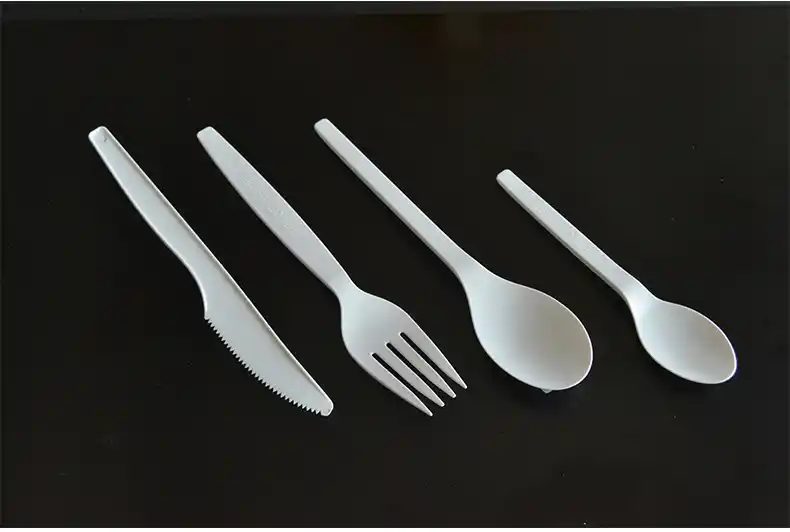
When exactly does your trash disappear? From plastic to paper, the surprising truth about waste degradation time!
I. The importance of waste degradation
In our daily life, the generation of garbage seems to be inevitable. However, understanding the degradation time of different materials is of great significance for environmental protection and resource recycling. Plastic waste, for example, can take hundreds of years to fully degrade, while paper and organic matter are relatively easy to dispose of. This difference not only affects how we dispose of our waste, but also how we make environmentally friendly choices in our daily lives.
Therefore, exploring the process of waste degradation and its impact on the environment can not only help us manage waste more effectively, but also promote the sustainable use of resources, which is the topic of this paper.
II. What is waste degradation
Waste degradation refers to the process of waste gradually breaking down factors in the natural environment through various microbial, physical and chemical processes, transforming into smaller molecules or being completely transformed into harmless substances. Waste degradation mainly includes biodegradation, chemical degradation and physical degradation in three ways. Through degradation, the volume and quality of garbage are reduced, and harmful substances are eliminated, thus reducing the pollution to the environment. Different types of waste, such as organic waste, plastic, metal, etc., have different ways and lengths of degradation. Organic waste, such as leftovers, leaves, etc., is mainly broken down by the action of microorganisms and eventually converted into nutrients in the soil, a process that is relatively fast. Non-biodegradable materials, such as plastics and metals, degrade very slowly, often taking hundreds of years or more, and can produce chemicals that are harmful to the environment. Therefore, understanding the degradation mechanism of waste is of great significance for waste treatment and environmental protection.
Principles of waste degradation
A. Biodegradation: Biodegradation refers to the process of using microorganisms to decompose organic matter. Under the appropriate temperature, humidity, oxygen and other conditions,
microorganisms decompose the organic matter in the waste into carbon dioxide, water, methane and other harmless substances by ingesting it as a nutrient source.
B. Chemical degradation: Chemical degradation refers to the process of using chemical reactions to convert harmful substances in garbage into harmless substances. For example, the use of oxidation, reduction, neutralization and other chemical reactions to decompose or transform harmful substances in garbage.
IV.Factors affecting the degradation of refuse
The degradation process of garbage is affected by many factors, among which environmental factors play a crucial role. Temperature, humidity and oxygen supply are the main environmental conditions that affect the decomposition rate of garbage. High temperature can accelerate the metabolic activities of microorganisms, thus accelerating the decomposition of organic matter; Suitable humidity is conducive to the growth and reproduction of microorganisms, and sufficient oxygen is necessary for aerobic microorganisms to perform metabolism. In addition, the composition of the waste itself is also a factor that cannot be ignored. Perishable organic matter, such as kitchen waste, degrades quickly under the right conditions, while hard-to-degrade substances, such as plastics and metals, can take hundreds of years to decompose. Human intervention, including waste separation and biodegradation techniques, can also significantly improve the efficiency of waste degradation. Therefore, by optimizing these factors, we can effectively control and accelerate the process of waste degradation, reduce environmental pollution, and promote the recycling of resources.
Methods of waste degradation
A. Composting method: Composting method is a method of using microorganisms to decompose organic matter in garbage. The garbage is mixed with the right amount of water and air, piled up in a certain period of time,
so that it is naturally fermented and decomposed. Composting method is suitable for disposing of organic matter such as kitchen waste and plant waste.
B. Pyrolysis method: Pyrolysis method is to heat garbage to a certain temperature under anaerobic or anoxic conditions, so that it can decompose into combustible gas, organic liquid and carbon black and other substances. Pyrolysis method is suitable for the treatment of plastic, rubber and other non-degradable waste.
C. Photodegradation method: Photodegradation method is a method of using light energy to convert harmful substances in garbage into harmless substances. For example, the use of ultraviolet light, sunlight, etc., to irradiate plastic waste to decompose it.
B. Microbial degradation method: Microbial degradation method is a method of using specific microorganisms to decompose harmful substances in garbage. For example, enzymes are used to break down organic matter in waste.
In today's increasingly global environmental awareness, the innovation and application of waste treatment and degradation technology has become a highlight in the field of environmental protection. Many successful cases at home and abroad have fully demonstrated the important role of scientific management and advanced technology in improving the efficiency of waste degradation. For example, Japan uses advanced biodegradation technology to convert kitchen waste into fertilizer, effectively reducing the amount of waste to landfill. Similarly, in Sweden, through separate recycling and energy utilization, not only the amount of waste has been significantly reduced, but also renewable energy has been provided to the city. These practices prove that the power of science and technology is one of the indispensable driving forces to promote environmental sustainable development..
V. Current waste management challenges and future prospects
Is paper bag really greener than plastic bag? Find out!
Revealed: How to identify truly biodegradable lunch boxes?
Related Article