Under the wave of plastic restriction, the rise and challenge of the degradable lunch box market: a new chapter of the Green Revolution
Plastic pollution has become a global environmental problem, and its devastating impact on ecosystems cannot be underestimated. From the death of Marine organisms from ingesting plastic, to the impact of microplastics on human health through the food chain, the seriousness of plastic pollution is gradually being recognized. In this context, the introduction of the plastic limit order is particularly necessary. This is not only to reduce the production of plastic waste, but also to protect our ecological environment and maintain the sustainable development of the earth. By limiting the use of single-use plastic products, we can effectively reduce the level of plastic pollution, thereby mitigating its environmental and biological impacts
The plastic restriction, part of a global initiative to reduce the use of traditional plastic products, stems from a deep awareness of the increasing plastic pollution. Since it was first proposed, the policy has experienced continuous improvement and development, and has gradually been implemented on a global scale. Today, many countries and regions from Europe, North America to Asia have introduced regulations to limit or even ban the use of single-use plastic products, aiming to reduce environmental pressure and protect ecosystems. Through the implementation of these measures, we have witnessed a significant decline in the use of plastics, while promoting the development and application of environmentally friendly alternatives, providing a strong impetus to solve the global plastic pollution problem.
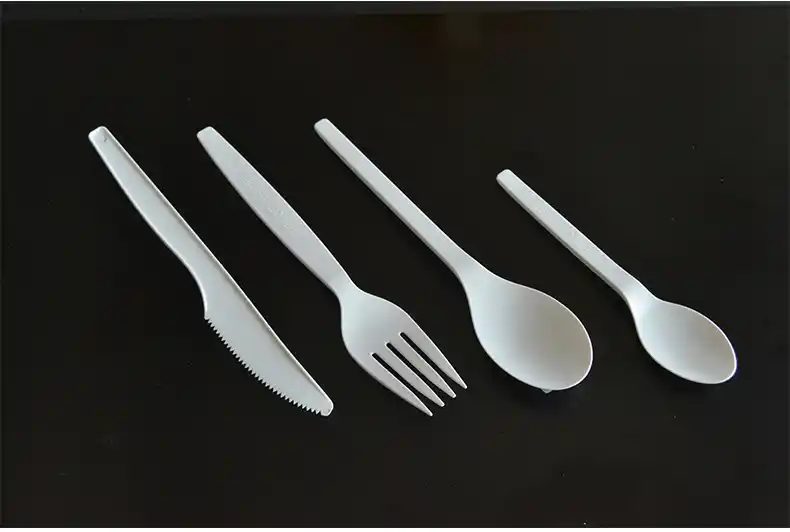
Degradable lunch boxes refer to disposable tableware that can be decomposed by natural microorganisms (such as bacteria, mold and yeast) under certain conditions. Such products are often made from bio-based materials, such as polylactic acid (PLA) or paper materials, which are not only from renewable sources, but also break down quickly in the natural environment after waste, thus reducing environmental pollution. In contrast, traditional plastic lunch boxes often take hundreds of years to fully decompose and may release harmful substances during the decomposition process. The advantage of biodegradable meal boxes is their environmental properties, they not only take pressure off landfills, but also help protect the Earth's ecosystems. With the improvement of people's environmental awareness, degradable lunch boxes are more and more favored by the market.
With the increase of global awareness of environmental protection, laws and regulations restricting the use of traditional plastic products are becoming more and more stringent. In this context, the degradable lunch box market has received unprecedented attention. The government has not only effectively reduced the generation of plastic waste through the enactment of plastic restrictions, but also stimulated the development and production of alternative products, namely biodegradable materials. These policies have promoted companies to increase research and development investment in degradable lunch boxes, and also expanded the market demand for this product. Consumers' recognition and support for environmentally friendly products, coupled with the promotion of regulations, have made degradable lunch boxes gradually replace traditional plastic lunch boxes and become an emerging force in the market.
With the enhancement of environmental awareness, degradable lunch boxes have become an important solution to plastic pollution. At present, the production of such lunch boxes mainly relies on bio-based materials such as polylactic acid (PLA) and starch-based composites, which can decompose quickly in the natural environment. However, the production cost of biodegradable materials is still high compared to traditional plastics, limiting their large-scale application. However, with the advancement of technology and the realization of large-scale production, the cost is expected to be reduced. In addition, researchers are exploring more sustainable resources and more efficient production processes to improve the market competitiveness of biodegradable lunch boxes. Looking to the future, with the continuous maturity of technology and the promotion of environmental protection policies, the production and application of degradable lunch boxes will show great potential for development.
In the process of promoting biodegradable lunch boxes, we face many challenges. First of all, the cost problem can not be ignored, compared with traditional plastic lunch boxes, the production cost of degradable materials is higher, which directly affects the price of the final product, may reduce the willingness of consumers to buy. Second, consumer acceptance is also a problem to overcome, despite the increasing awareness of environmental protection, but some consumers for new products to accept and adapt to take time, especially when it comes to the use of tableware in daily life. Looking to the future, with the advancement of technology and the expansion of production scale, the cost of degradable materials is expected to gradually reduce, which will make degradable lunch boxes more competitive in the market. At the same time, raising public awareness of the importance of environmental protection through education and publicity will help increase consumer acceptance of biodegradable lunch boxes. Therefore, although there are challenges, the development prospects are still worth looking forward to.
In today's increasingly popular concept of environmental protection, degradable lunch boxes as one of the effective solutions to plastic pollution, its development is facing many challenges. First of all, the relatively high production cost is the main factor restricting its large-scale promotion. Since the cost of biodegradable materials is higher than that of conventional plastics, this increases the price of the final product, which in turn affects consumers' willingness to buy. In addition, the existing production technology is not yet fully mature, resulting in low production efficiency, difficult to meet market demand, but also further increase the cost pressure.
Faced with these problems, the industry and academia are actively looking for solutions. Technological innovation is a key part of driving down costs. By developing more efficient production technologies and improving material formulations, production costs can be reduced while maintaining product quality. At the same time, government policy support is crucial. For example, measures such as tax breaks and scientific research funding support are provided to encourage enterprises to invest in the research and development and application of degradable materials. In addition, increasing the publicity and education of consumers' environmental awareness and enhancing the public's awareness and acceptance of degradable products is also an important way to promote the healthy development of this market. In short, through various efforts, the challenges faced by degradable lunch boxes are expected to be effectively alleviated, laying a solid foundation for their future wide application.
In the current context of increasing global environmental awareness, the market prospects of degradable lunch boxes are widely optimistic. With the advancement of technology and consumers' pursuit of a healthy lifestyle, the development of degradable lunch boxes in the future will show a diversified trend. On the one hand, technological innovation will be a key factor driving the development of the industry, such as improving the environmental performance and durability of products through the development of bio-based materials and the application of nanotechnology; On the other hand, the expanding market demand will also prompt enterprises to increase the research and development and production of degradable products. In addition, the tilt of government policies and the promotion of public environmental awareness will also bring new growth points to the industry. However, in the face of fierce market competition and ever-changing technological environment, continuous innovation has become the key to the survival and development of enterprises. Looking to the future, the degradable lunch box industry is expected to achieve greener and more efficient development under the dual drive of technological innovation and market opportunities
Plastic limit on the promotion of degradable lunch boxes!!
Proper handling of biodegradable tableware
Related Article