Farewell to the Plastic Age: Revealing the amazing transformation of disposable tableware and your guide to eco-friendly choices

Farewell to the Plastic Age: Revealing the amazing transformation of disposable tableware and your guide to eco-friendly choices
In modern society, disposable tableware is widely used because of its convenience. However, this convenience hides serious environmental concerns. Disposable tableware is mostly made of plastic, which not only consumes a lot of oil resources, but also is extremely difficult to degrade after waste, causing long-term pollution to soil and water. In addition, microplastics may affect human health through the food chain. Therefore, bidding farewell to the plastic era represented by disposable tableware is not only the need for environmental protection, but also the urgent requirement of human health and sustainable development.
The importance of eco-friendly tableware innovation
In the pursuit of sustainable lifestyle today, the material innovation of environmentally friendly tableware has become a hot topic. Advances in science and technology have opened the door to more possibilities, with materials such as polylactic acid (PLA) and bamboo fiber getting a lot of attention for their excellent biodegradability. As a plastic extracted from renewable resources such as corn starch, polylactic acid can not only decompose quickly in the natural environment, but also reduce the dependence on petroleum resources. On the other hand, bamboo fiber, with its rapid growth characteristics and natural antibacterial properties, has become another popular environmentally friendly tableware material. Through the use of these materials, we can not only reduce the environmental pollution caused by disposable plastic tableware, but also promote the development of society in a more green and sustainable direction.
In the current market trend, environmentally friendly tableware has gradually become a popular trend. More and more consumers are beginning to pay attention to and choose environmentally friendly products, especially in the field of tableware. This change reflects people's increasing awareness of environmental protection and the pursuit of a healthy lifestyle. Consumer acceptance and preferences for environmentally friendly products are also changing, and they are more inclined to choose products that are both practical and environmentally friendly, rather than just pursuing fashion or brand names. As a result, more environmentally friendly tableware products with innovative designs, high-quality materials and sustainability have emerged on the market to meet the needs of consumers.
Cornstarch and bamboo
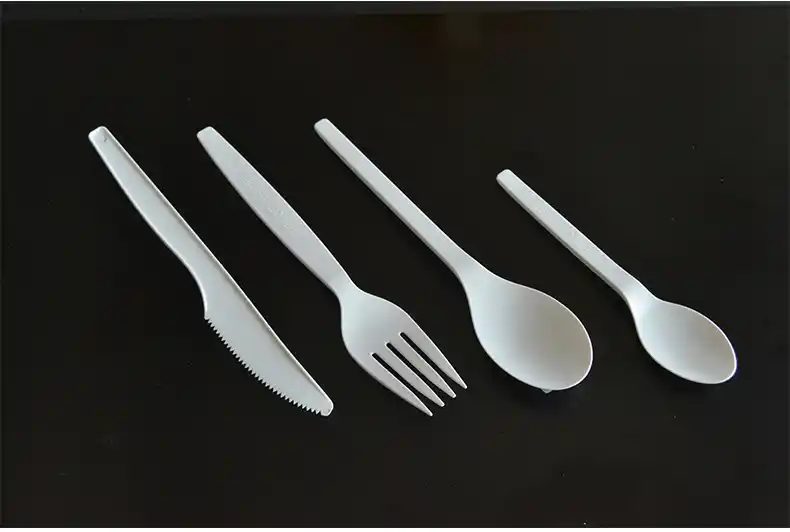
The production of environmentally friendly tableware is inseparable from the thoughtful choice of materials, common materials are bamboo, corn starch and other natural renewable resources. Take bamboo as an example, its growth cycle is short, strong sustainability, through fine processing into bamboo fiber, and then made into various tableware, the whole process almost does not produce pollution. Corn starch is another preferred raw material, which is treated by biodegradation technology and eventually converted into harmless substances, greatly reducing the environmental burden of traditional plastic tableware. In the production process, these environmentally friendly tableware manufacturers also use low-carbon technology to minimize energy consumption and waste emissions, and realize an environmentally friendly production mode from the source to the finished product, fully demonstrating the concept of green life. It shows good durability in daily use at home. After repeated washing and use, these bamboo tableware can still maintain its natural color and texture, and it is not easy to crack or deformation. In contrast, although the tableware made of corn starch is more gentle and lightweight in the touch, its durability is slightly insufficient, and it is easy to wear or break after frequent use. From the consumer feedback, most people tend to choose bamboo products, think it is more in line with the use of traditional tableware habits, and corn starch material is more suitable for one-time use occasions. Such a practical case analysis, not only reveals the advantages and disadvantages of different materials of environmental protection tableware in actual use, but also provides consumers with a more sensible choice of reference.
Under the influence of increasing environmental awareness, the choice and use of environmentally friendly tableware has become an important part of personal and even commercial practice of green life. First of all, it is important to understand the characteristics of eco-friendly tableware made of different materials. For example, bamboo tableware is lightweight and degradable, but it needs to avoid prolonged water immersion; The corn starch based bioplastics have better waterproof properties and are suitable for holding hot or cold food. Secondly, considering the service life and cost effectiveness, you may wish to choose a more durable product when purchasing. For example, stainless steel tableware, although the initial investment is large, its durability and recyclability make it the preferred choice for long-term use. Finally, proper use and maintenance is also the key to extending the life of environmentally friendly tableware. For example, wooden tableware should be cleaned and dried immediately after use to prevent spoilage and deformation. With these practical tips, we can make environmentally friendly choices in our daily lives while ensuring the durability and economic benefits of the products we choose.
The promotion and use of environmentally friendly tableware not only reduces the burden of disposable plastic products on the environment, but also a microcosm of achieving a low-carbon lifestyle. In daily life, people are gradually becoming aware of the importance of using reusable chopsticks, dinner plates and cups and other eco-friendly tableware. These small changes, when added up, can have a significant impact on reducing waste, conserving natural resources, and reducing our carbon footprint. By doing so, everyone is contributing to a greener and more sustainable society. Therefore, environmentally friendly tableware is not only an important tool to promote the transformation of society to a low-carbon lifestyle, but also a concrete action performance of our joint maintenance of the earth home and promotion of environmental sustainable development.
Environmental impact of eco-friendly tableware
Spotlight on Millionpack's Eco Friendly Tableware
Millionpacks offer a variety of environmentally friendly disposable tableware to ensure that there is a suitable choice for every occasion. Their eco-friendly tableware comes in a variety of different sizes, colors, and patterns designed to meet different culinary requirements and aesthetic preferences. Whether you need it for a casual picnic or a formal event, Millionpack has the right product for you. Designs range from classic to modern, ensuring versatility and style. Their materials are carefully selected for their biodegradability and compostability. Manufacturing processes are optimized to minimize waste and energy consumption, reinforcing their commitment to sustainability.
It's easy to buy millions of packages of environmentally friendly products. Visit their website Million Packs to explore their product range. The website provides detailed product descriptions, specifications and pricing information. Customers can easily place orders online, and large events or businesses can also choose to buy in bulk.
For personalized help, the Million Pack customer service team is ready to help with product selection, order placement and any other inquiries. By choosing a million packs, customers not only receive high-quality tableware, but also contribute to a more sustainable future
The original intention and development of MillionPack enterprises
Bagasse's environmental Revolution: Say goodbye to plastic tableware and welcome a new chapter of green life!
Related Article