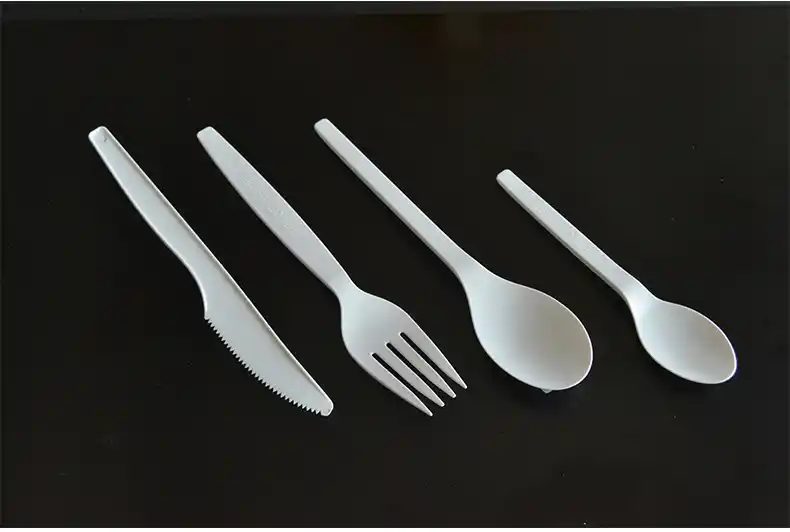
Bagasse's environmental Revolution: Say goodbye to plastic tableware and welcome a new chapter of green life!

With the continuous improvement of human environmental awareness, people begin to look for various ways to reduce the burden on the environment. In this process, traditional plastic tableware has become a major problem in environmental governance due to its difficult characteristics of degradation. Not only do they consume valuable oil resources, they also severely pollute the land and oceans by failing to break down for long periods of time. In response to this problem, the research and development of all kinds of environmentally friendly tableware is bound to become a major mainstream trend. The development of bagasse tableware came into being, which uses agricultural byproduct - Bagasse, through processing into renewable, degradable tableware, effectively reduce the generation of plastic waste, but also make a positive contribution to environmental protection. The research and development of this green tableware not only reflects human's pursuit of sustainable development, but also shows the great potential of scientific and technological innovation in solving environmental problems.
The innovative way of bagasse tableware is a vivid practice of the concept of environmental protection and sustainable development in modern life. Initially, the concept was proposed out of concern for the growing problem of plastic pollution. The research and development team has deeply explored the potential of sugarcane, a natural plant, through the careful selection of high-quality bagasse as a raw material, combined with advanced production process innovation, not only gives the bagasse a new life, but also makes this tableware become a spokesperson for green life. During the production process, bagasse is specially treated, which not only retains its natural fiber structure, but also enhances the durability and stability of the tableware. This pattern of recycling from nature to nature shows the wisdom and determination of human beings in exploring the path of sustainable development.
Bagasse tableware, as a new type of environmental protection products, is more and more widely used in the market. This material of tableware is welcomed by consumers because of its degradability and biocompatibility, especially in the fast food and takeout industry, its use is increasing year by year. Bagasse tableware can not only reduce plastic waste, but also reduce production costs to a certain extent, so it is favored by many catering owners. However, despite these advantages, bagasse tableware still faces some challenges. First, although the market acceptance is improving, there is still a gap compared with traditional plastic products; Secondly, the water resistance and temperature resistance of bagasse tableware are relatively weak, which limits its use in some occasions; Finally, the mechanism on how to effectively recycle and dispose of such tableware is not perfect, which is also an important factor restricting its development. In general, bagasse tableware has a wide range of application prospects in the market, but to realize its full potential, there are still some technical and market obstacles to overcome.
In promoting the popularization of bagasse tableware, a series of effective strategies and measures need to be taken. First of all, the government should provide policy support, such as tax breaks, financial subsidies, etc., in order to reduce the production cost of bagasse tableware and improve its market competitiveness. At the same time, strengthening consumer education is also very key, through the holding of publicity activities, so that more people understand the environmental advantages of bagasse tableware, so as to change consumption habits. In addition, you can also cooperate with major restaurant chain brands to promote the use of bagasse tableware, which can not only improve the visibility of bagasse tableware, but also actually reduce the use of disposable plastic products. Through the implementation of these comprehensive measures, can effectively promote the wide use of bagasse material tableware.
The production process of bagasse tableware begins with the selection of raw materials. The selection of fresh and uncontaminated bagasse as raw material ensures the natural purity and safety of the product. Then enter the innovation stage of processing technology, through the physical method of bagasse cleaning, disinfection, and then the use of advanced biological enzyme technology for fiber decomposition, which not only improves the utilization rate of bagasse, but also maintains its original natural properties. In the production process, a strict quality control system is implemented, including the cleanliness management of the production environment, regular testing of the finished product, etc., to ensure that every product meets food safety standards. In addition, technological innovation is also reflected in the anti-bacterial treatment of bagasse tableware, through special surface treatment technology, giving products a longer service life and better sanitary conditions. This series of detailed production processes and technological innovations not only give bagasse tableware environmentally friendly and sustainable characteristics, but also ensure their competitiveness in the market and high consumer recognition.
When discussing environmentally friendly tableware, bagasse tableware has attracted wide attention because of its degradability and environmental friendliness. Compared with traditional plastic tableware, this tableware made of bagasse not only degrades naturally after use, reducing soil and water pollution, but also significantly reducing the energy consumption required during production. In the long term, the promotion of bagasse tableware will not only reduce the pressure on landfills, but also effectively reduce the overall carbon footprint. Therefore, bagasse tableware has important practical value in reducing environmental pollution and reducing ecological impact, and is an important part of promoting sustainable development strategy.
Bagasse tableware, as a new type of environmental protection products, is more and more widely used in the market. This material of tableware is welcomed by consumers because of its degradability and biocompatibility, especially in the fast food and takeout industry, its use is increasing year by year. Bagasse tableware can not only reduce plastic waste, but also reduce production costs to a certain extent, so it is favored by many catering owners. However, despite these advantages, bagasse tableware still faces some challenges. First, although the market acceptance is improving, there is still a gap compared with traditional plastic products; Secondly, the water resistance and temperature resistance of bagasse tableware are relatively weak, which limits its use in some occasions; Finally, the mechanism on how to effectively recycle and dispose of such tableware is not perfect, which is also an important factor restricting its development. In general, bagasse tableware has a wide range of application prospects in the market, but to realize its full potential, there are still some technical and market obstacles to overcome.
In promoting the popularization of bagasse tableware, a series of effective strategies and measures need to be taken. First of all, the government should provide policy support, such as tax breaks, financial subsidies, etc., in order to reduce the production cost of bagasse tableware and improve its market competitiveness. At the same time, strengthening consumer education is also very key, through the holding of publicity activities, so that more people understand the environmental advantages of bagasse tableware, so as to change consumption habits. In addition, you can also cooperate with major restaurant chain brands to promote the use of bagasse tableware, which can not only improve the visibility of bagasse tableware, but also actually reduce the use of disposable plastic products. Through the implementation of these comprehensive measures, can effectively promote the wide use of bagasse material tableware.
On the road to promoting environmentally friendly products, the success story of bagasse tableware is particularly striking. A small business in Southeast Asia, for example, has used the abundant sugar cane resources in the region to develop environmentally friendly and practical bagasse tableware. Through careful market research and innovative product design, the tableware quickly gained recognition in the market, not only solving the environmental problems caused by traditional plastic tableware, but also providing an additional source of income for local farmers. The story of this company shows that bagasse tableware can gain a place in the market through in-depth understanding of market needs, using local resources and focusing on the spread of environmental ideas. This successful experience has important implications for the promotion of environmental protection products in the future, that is, combining local characteristics and environmental protection needs can create products with both economic benefits and social value.
As an environmentally friendly alternative, bagasse tableware is gradually becoming an important competitor to plastic tableware. However, before widespread application, bagasse tableware still faces some technical limitations, such as insufficient durability and single design problems. Future technological innovations are expected to make major breakthroughs in these areas. The durability and load-bearing capacity of tableware can be significantly improved by improving the production process and increasing the compressive density and fiber strength of bagasse. In addition, the use of more advanced mold design and surface treatment technology can not only make the bagasse tableware more delicate and beautiful, but also increase its water resistance and antibacterial properties. With the maturity and application of these technologies, the market competitiveness of bagasse tableware will be greatly improved, providing a more reliable choice for achieving a green and environmentally friendly lifestyle
Farewell to the Plastic Age: Revealing the amazing transformation of disposable tableware and your guide to eco-friendly choices
Advantages and characteristics of disposable environmental protection tableware made of kraft paper
Related Article